Corn is a versatile crop that is grown all over the world for a variety of purposes, including food, feed, and fuel. As a renewable resource...
Essay: The Kind of Energy Can be Produced From Corn Plants in a Farm
Agricultural engineering is a branch of engineering that focuses on the design and development of equipment and systems for the production, ...
From Farm to Table: The Importance of Agricultural Engineering in the Food Supply Chain
Agricultural engineering is a branch of engineering that focuses on the design and development of equipment and systems for the production, processing, and distribution of food, fiber, and other agricultural products. Agricultural engineers work to improve the efficiency and sustainability of agricultural operations, as well as to address challenges related to food security and environmental impact.
Some specific areas of focus within agricultural engineering include food processing and packaging. Agricultural engineers may also be involved in the design and development of food processing and packaging systems, including equipment for preserving, storing, and distributing food products.
Food processing is the set of techniques and methods used to transform raw ingredients into finished food products. Food processing can involve a wide range of activities, including cleaning, sorting, grinding, mixing, fermentation, cooking, and packaging.
Food packaging, on the other hand, is the process of designing and producing packaging materials and containers for food products. The main goals of food packaging are to protect the product from contamination, damage, and spoilage, and to make it convenient and easy for consumers to handle and use.
Agricultural engineers play a vital role in the design and development of food processing and packaging systems, working to improve efficiency, reduce waste, and ensure food safety. Some specific areas where agricultural engineers may be involved in food processing and packaging include:
- Designing and developing equipment for food processing operations, such as grinders, mixers, and conveyors.
- Developing packaging materials and containers that are suitable for food products, taking into account factors such as barrier properties, shelf life, and cost.
- Implementing food safety measures and quality control procedures to ensure that food products are safe for consumption.
- Designing and developing automation and control systems for food processing and packaging operations.
- Conducting research and development to improve the efficiency and sustainability of food processing and packaging systems.
Medicinal plants are those that contain substances or components that can be utilized for the treatment or prevention of various diseases. T...
Biopharmaceuticals as a New Agricultural Sector Breakthrough for Commodity Diversification
Medicinal plants are those that contain substances or components that can be utilized for the treatment or prevention of various diseases. These plants have been utilized for a long time by people from various parts of the world as a means of treating their ailments.
A few examples of medicinal plants commonly used in Indonesia include:
Turmeric (Curcuma domestica): Turmeric is a popular spice and medicinal plant in Indonesia, frequently utilized to treat various conditions such as inflammation, skin conditions, and digestive issues.
Ginger (Zingiber officinale): Ginger is commonly utilized in Indonesia to treat nausea, vomiting, and other digestive issues, as well as to reduce inflammation and pain.
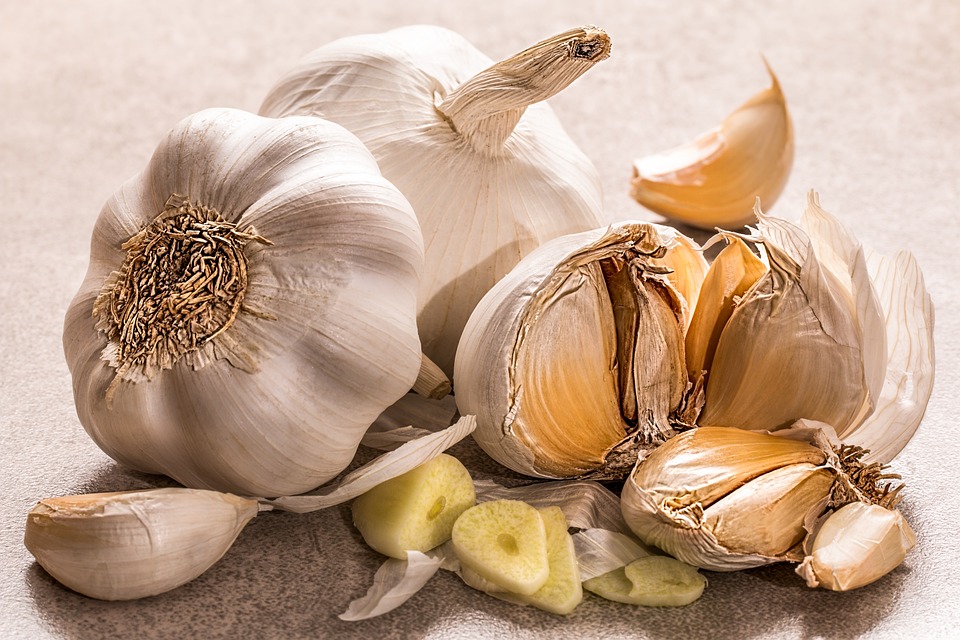
Garlic (Allium sativum): Garlic is commonly used in Indonesia to treat various health conditions, including high blood pressure, high cholesterol, and colds and flu.
Lemongrass (Cymbopogon citratus): Lemongrass is a common ingredient in Indonesian cuisine and is also utilized as a medicine for the treatment of various conditions including stomach aches, fever, and muscle pain.
In addition to these, there are also other medicinal plants that are beneficial for health, such as basil, moringa leaf, and clove. Basil, for example, contains substances that can help reduce menstrual pain, address digestive issues, and lower blood pressure. moringa leaf also has the same benefits, acting as a blood pressure-lowering agent, a pain reliever, and a remedy for digestive problems. Cloves, in addition to containing substances that can help lower blood pressure, can also be utilized as a toothache pain reliever.
There are many medicinal plants that have been utilized for various purposes, such as ginger, turmeric, and garlic for their anti-inflammatory and antimicrobial properties, and echinacea for its effects on boosting the immune system. Other medicinal plants include mint, basil, and lavender, which have been used to treat digestive problems and anxiety, and chamomile, which has been used to promote relaxation and sleep.
However, it is important to properly use and consume these plants in appropriate doses. Before utilizing medicinal plants as a treatment for any health condition, it is recommended to consult with a healthcare professional or a qualified herbalist.
Fertilizer is an important component of modern agriculture that helps provide the nutrients plants need to grow healthy and strong. Without ...
Comparison of Types of Fertilizer Use in Modern Agriculture and Their Effect on the Agricultural Environment
Fertilizer is an important component of modern agriculture that helps provide the nutrients plants need to grow healthy and strong. Without adequate nutrition, plants can become stunted, sickly, or even die. There are many types of fertilizers available, each made with a unique mix of nutrients.
There are many types of fertilizers available, each made with a unique mix of nutrients.
- Organic Fertilizers
It's important to note that organic fertilizers are not necessarily better than synthetic fertilizers. Both types have their own advantages and disadvantages, and the best choice depends on your specific plant needs and soil conditions. Organic fertilizers can be a good choice for gardeners and farmers looking for a sustainable, environmentally friendly way to provide nutrients for their plants. However, it's important to use them correctly to get the best results and consider all of your options before making a decision.
- Inorganic Fertilizers
- Slow-release Fertilizer
Slow-release fertilizers are a type of synthetic fertilizer that gradually releases nutrients over time. These fertilizers are designed to provide a slow and steady supply of nutrients to plants, which can help encourage healthy growth and prevent problems associated with over fertilization.
One of the main benefits of slow-release fertilizers is that they tend to be less likely to burn plants compared to other synthetic fertilizers. This is because the nutrients are released gradually, rather than all at once, reducing the risk of root or leaf damage to the plant.
Another advantage of slow-release fertilizers is that they can provide a consistent supply of nutrients to plants over a long period of time. This can be very useful for plants with long growing seasons or for plants that are highly sensitive to over fertilization.
However, slow-release fertilizers also have some drawbacks. One of the main limitations of these fertilizers is that they can be less effective in certain situations, such as when plants need a large amount of nutrients. In these cases, fast-acting fertilizers may be more appropriate.
Another potential issue with slow-release fertilizers is that they can be more expensive than other types of fertilizers. This can make them less cost-effective in certain situations, such as when you need to fertilize a large area or when you need to give your plants a quick boost of nutrients.
In conclusion, slow-release fertilizers are a useful tool for gardeners and farmers who want to provide a consistent and stable supply of nutrients to their plants. These fertilizers can help improve healthy growth and prevent problems associated with over fertilization.


Follow Us
Were this world an endless plain, and by sailing eastward we could for ever reach new distances